 This page's pick
Guides
Language
EnglishCurrency
US dollar · $Your currency applies on GetYourGuide too.
Guide · Overnight treks
Chiang Mai trekking for 3 days or 2, with a hill tribe stay
Chiang Mai trekking for 3 days, or for 2, means sleeping where the trail ends: a bamboo hut, a family cottage, a forest camp. Here is what each night out involves.
Check availabilityfrom $96 · free to cancel
Editorial team, trekkingtourchiangmai.comUpdated October 27, 2026Read time: 6 min25 sources
Quick answer, by nights
- 01One night
- The 2-day trek sleeps in a Karen village and ends on a bamboo raft.
- 02Two nights
- A 3-day trek with Karen families, 5 to 7 hours on foot a day.
- 03Price range
- From $89 for 2 days to $148 for 3.
- 04Beds
- Basic: shared rooms, mosquito nets, often no electricity.
- 05Best for
- Walkers who want an evening in a village, not just a view.
Why sleep out on a trek
A day hike shows you the forest; a night out shows you how people live in it. On an overnight trek the walking stops in the afternoon, dinner is cooked over a fire, and the hills go quiet long before you would sleep in the city. The next morning starts in cool air, and you walk on before the heat builds. That evening is often the part of a trek that stays with you longest.
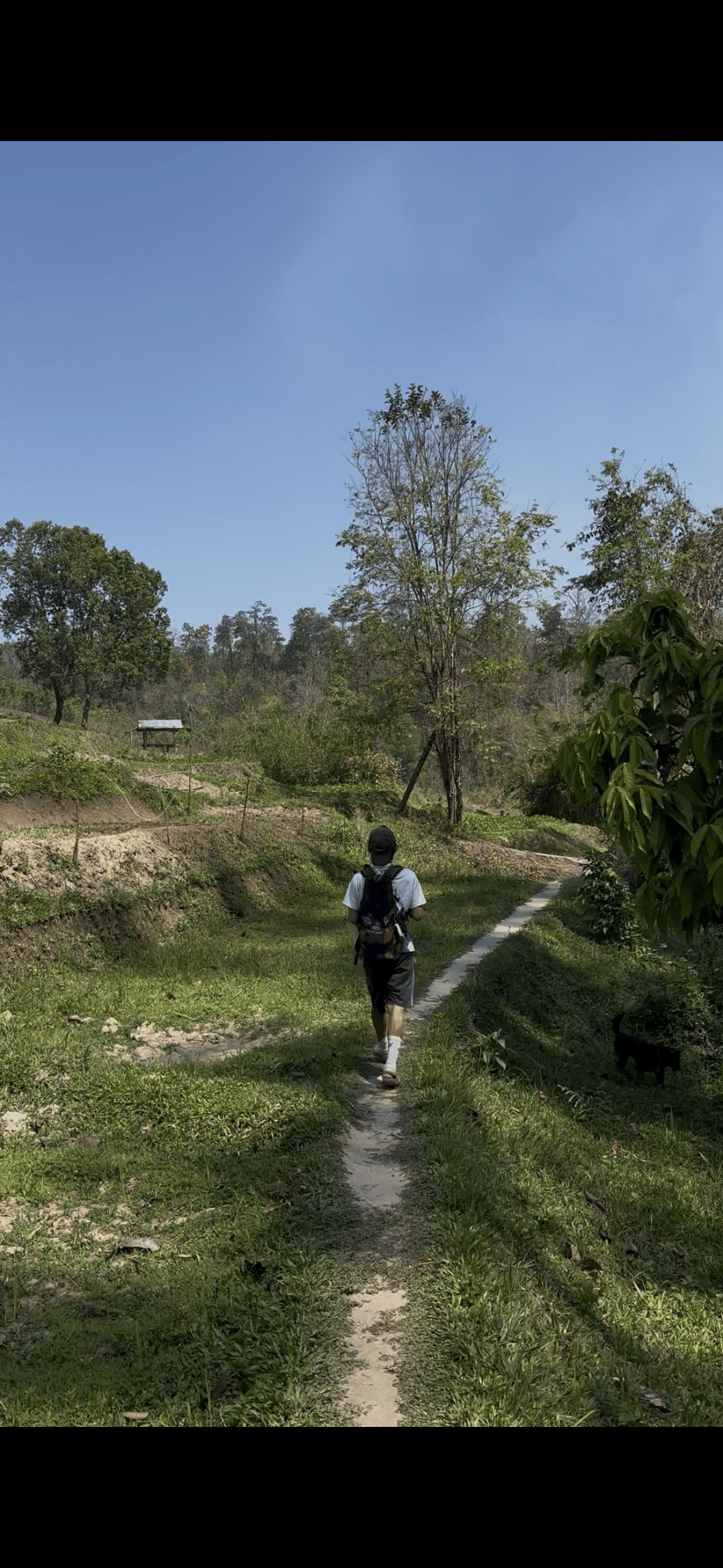
The 2-day trek this site recommends is built around that night. Its first day crosses paddy fields and bamboo forest with a waterfall swim, then stops in a Karen hill tribe village, where you have dinner, sleep in basic accommodation and eat breakfast the next morning. It runs with a small group of up to 12 and guides in English and Thai.
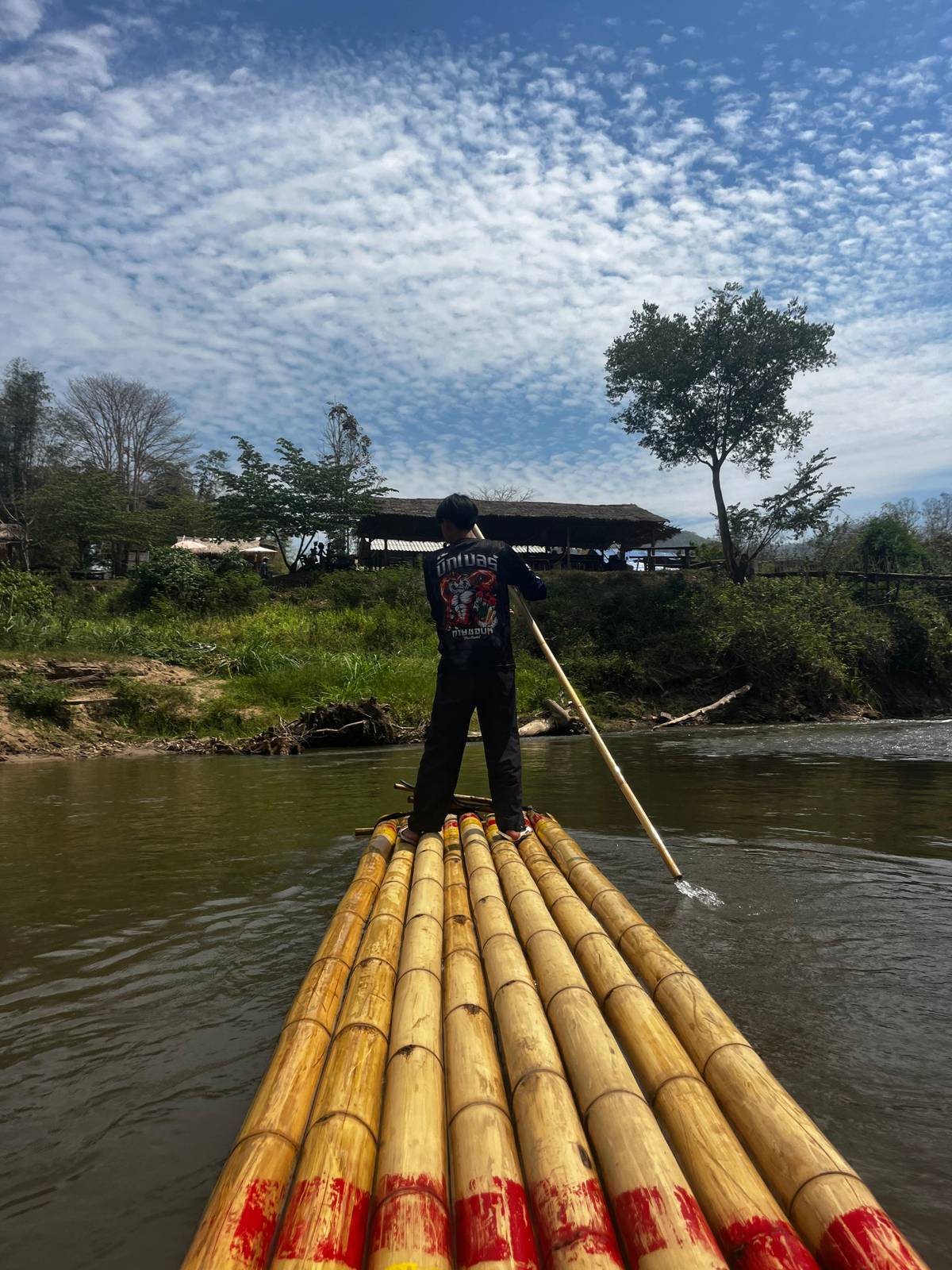
Day two walks 2 hours to an elephant sanctuary home to rescued elephants, where you feed and bathe them, then a bamboo raft and a 1-hour drive bring you back to your hotel at around 4:30 pm. All meals are included, counted as 2 lunches, 1 dinner and 1 breakfast; drinking water is not. It starts from $96 with 1,001 reviews averaging 4.74.
The 2-day trek, step by step
A night in a Karen village
-
Morning
Old town meeting point
Baan Meesuk, with pickup available.
-
Day 1
Market and trail
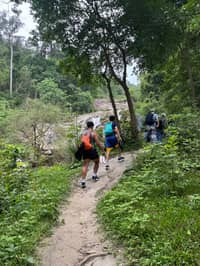
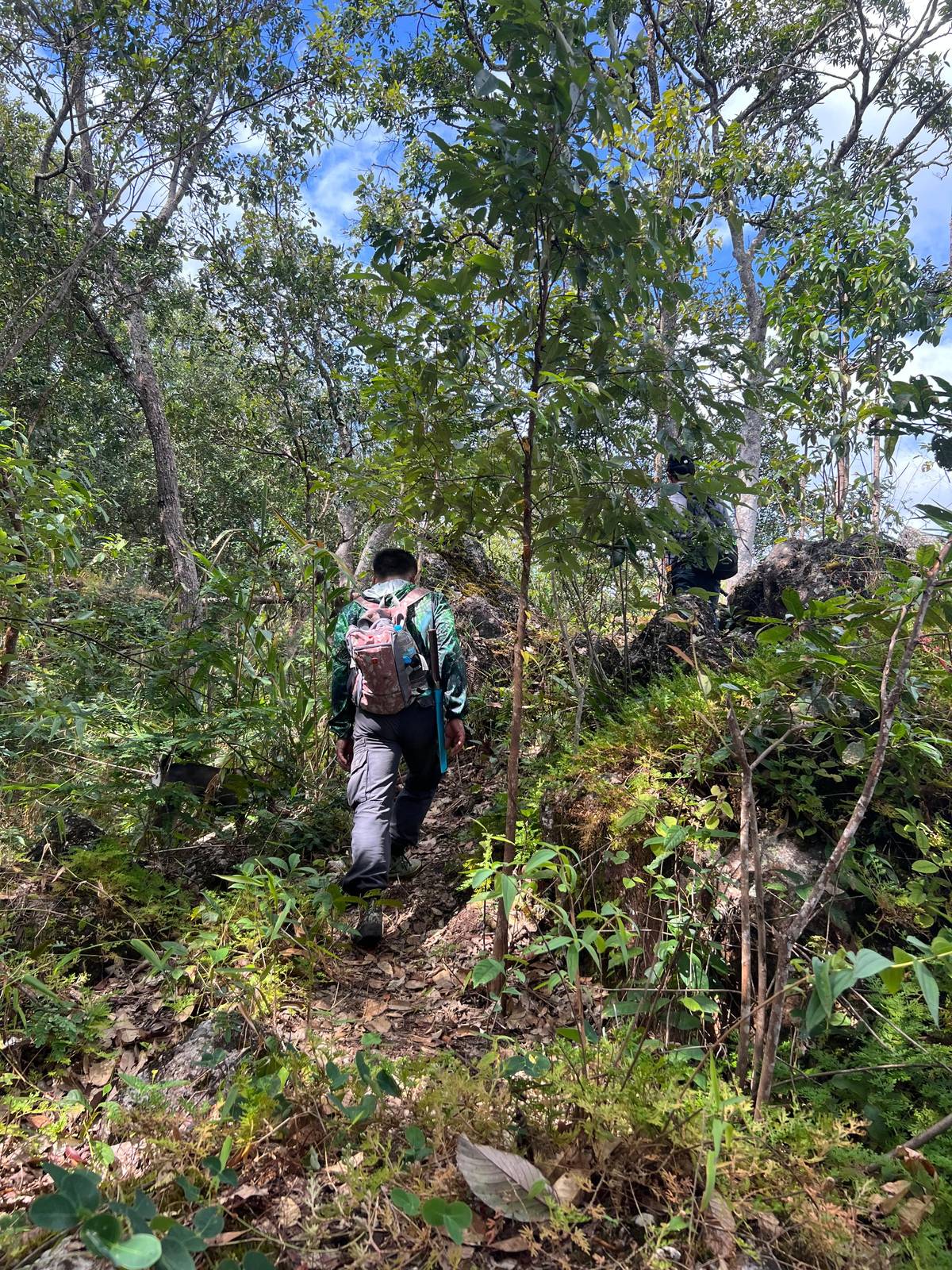
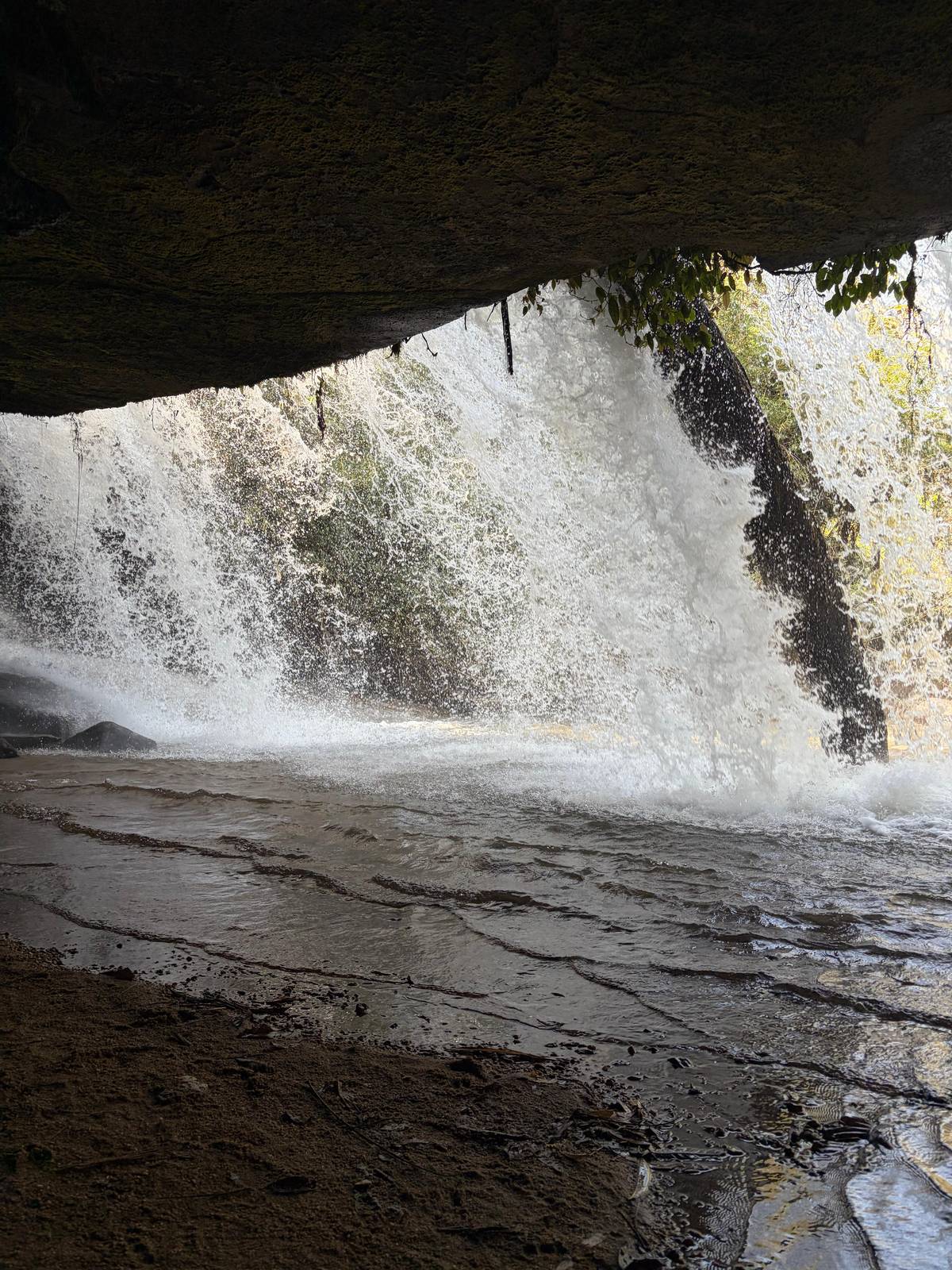
A market visit, paddy fields, bamboo forest and a waterfall swim.
-
Evening
Karen village
Dinner and basic accommodation for the night.
-
Day 2
Breakfast, then 2 hours on foot
To a sanctuary with rescued elephants.
-
Afternoon
Bamboo raft and drive
Back at your hotel around 4:30 pm.
Chiang Mai trekking for 2 days: the options
Chiang Mai trekking for 2 days is the most common format, and the listings differ in where you sleep and how far you walk. The Mae Win trek, in the Mae Wang area, plans about 5 to 6 hours on foot on the first day, lunch at a waterfall and a night in a White Karen cottage. It limits groups to 15 and starts from $89.
Its listing is unusually frank about comfort: rooms are basic and shared, with pillows, blankets and mosquito nets, nights from November to February can be cold, and you carry all your things in a small backpack. Another 2-day trek, limited to 14, adds an elephant camp, walks 3 to 4 hours on day one and 2 to 3 on day two, and sleeps in a cottage with a hill tribe family.
A third 2-day trip from a base camp in Mae Taeng mixes a 2.5-hour trek to Tard Mok Waterfall with river tubing and a dormitory night, with elephant observation as an add-on. It puts the whole trip at 24 to 27 hours including transfers. Compared with the trek this site recommends, it trades the village stay for a camp with more water activities.
Group size
Largest group on each overnight trek
people
Overnight treks
Nights out from Chiang Mai compared
| Trek | Nights | On foot | Sleep | Price |
|---|---|---|---|---|
| 2-day village trek | 1 | Day 1 and 2 hrs on day 2 | Karen village | from $96 |
| Mae Win trek | 1 | 5 to 6 hrs on day 1 | White Karen cottage | from $89 |
| Family hut trek | 1 | 3 to 4 hrs, then 2 to 3 | Hill tribe cottage | from $135 |
| Mae Taeng camp | 1 | 2.5 hrs | Dormitory | from $96 |
| Karen family trek | 2 | 5 to 7 hrs a day | Basic camps | from $148 |
Nights, walking times and beds as each listing states them; prices are starting prices on GetYourGuide and change by date.
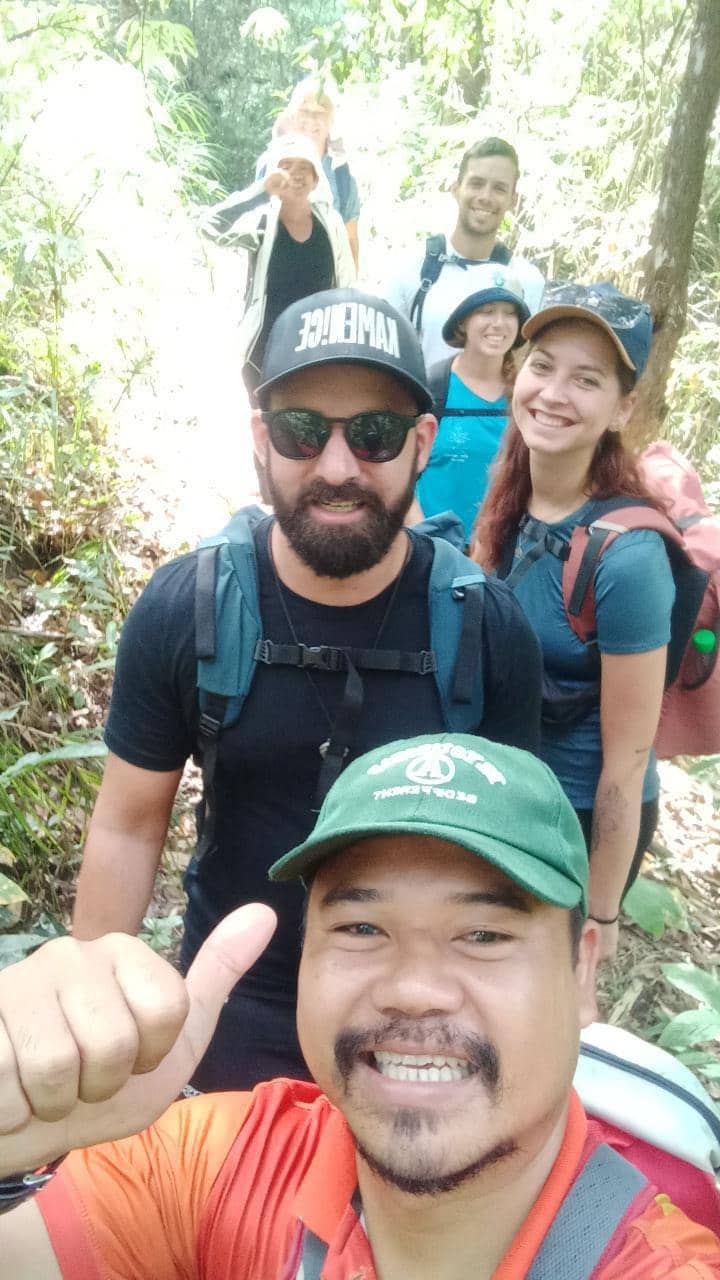
Decision helper
One night or two?
Match your plans to a trek, then read its listing.
The 2-day trek
A Karen village stay, a sanctuary visit and a bamboo raft.
The Mae Win trek
About 5 to 6 hours on foot on day 1, with lunch at a waterfall.
Mae Taeng camp
A trek to a waterfall, river tubing and a dormitory night.
The Karen family trek
Two nights with Karen families and 5 to 7 hours a day on foot.
A day hike instead
The 2-day trek lists itself as not suitable for children under 2.
In Thailand, the term Hill Tribe is used to describe populations whose members traditionally practice slash and burn agriculture and reside in the mountains.
Three days in the hills
A 3-day trek adds a second night and pushes further from the road. The Karen family trek in the Doi Inthanon area is run with Karen hill tribe families, limits groups to 15 and includes pickup. Its listing asks for moderate fitness and plans 5 to 7 hours of trekking a day on uneven ground, with basic camps that have bedding but no electricity and limited mobile signal.
It starts from $148 and has 16 reviews averaging 5.0. A second 3-day trek combines hill tribe trekking with an elephant experience and rafting, limits groups to 12 and states that there is no elephant riding. It has only 6 reviews so far. Small review counts are not a warning in themselves, but they give you less to go on than the 2-day trek this site recommends.
The extra day is worth it if you want distance from roads and day-trippers and are comfortable walking most of each day. It is less suited to a first trek in the hot months, when a full day on foot in the heat is a real effort. If you are unsure, the 2-day format lets you find out how you feel after a full day on the trail and a night on a thin mattress.
Map
From the old city to the roof of Thailand
First the hills around Chiang Mai where the treks and hikes go, then Doi Inthanon with its summit, pagodas, trails and falls.
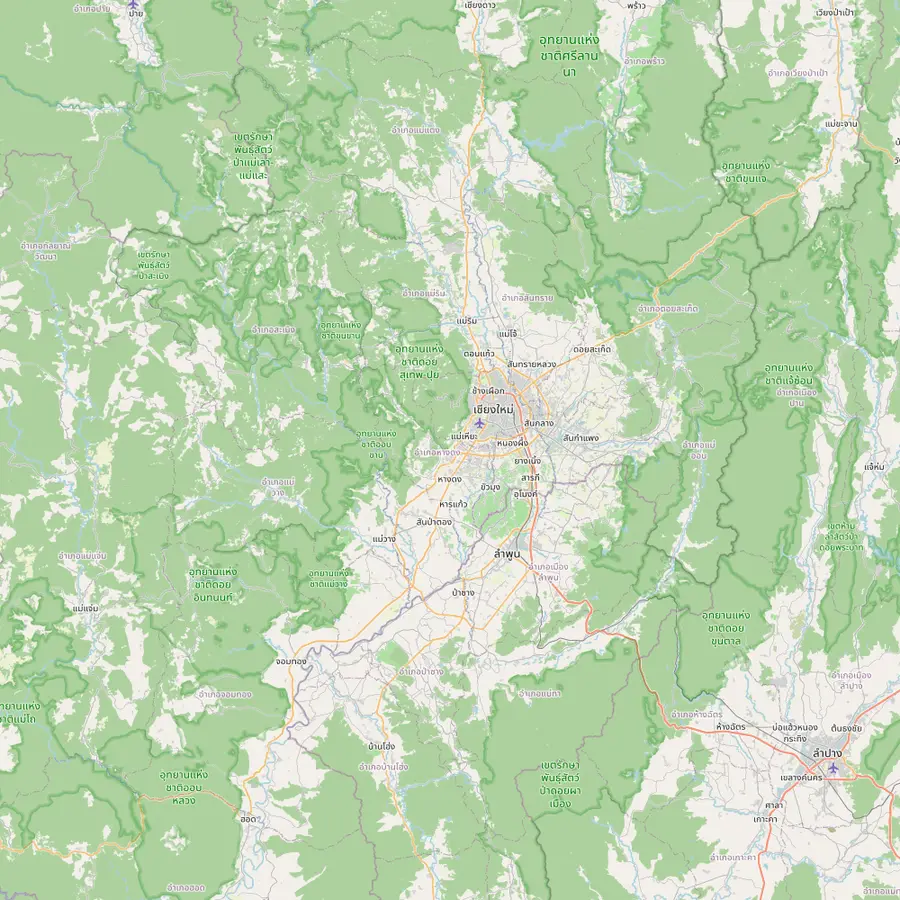 1Chiang Mai old city3Doi Suthep temple5Thailand's highest summit6Mae Wang7Mae Kampong
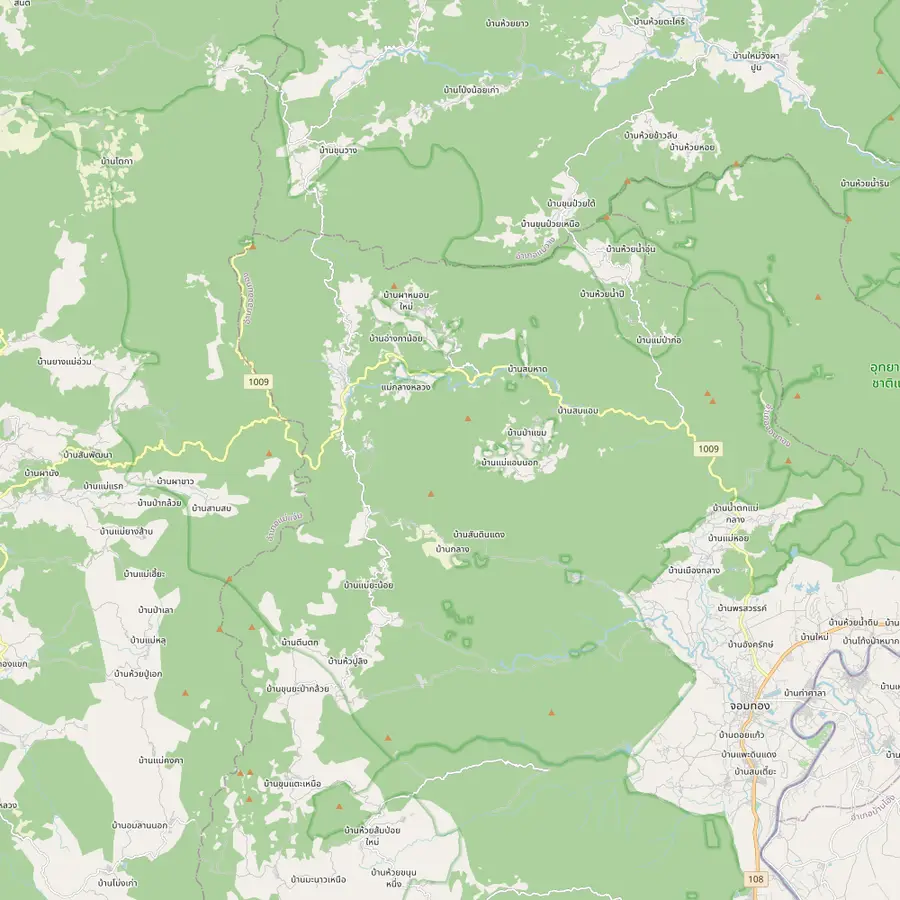 8Summit stupa9Twin pagodas and Kew Mae Pan11Pha Dok Siew12Mae Klang Luang13Siriphum Waterfall14Wachirathan Waterfall15Mae Klang Waterfall16Mae Ya Waterfall17Mae Pan Waterfall
- 1Chiang Mai old city
Start of the site tour: the meeting point is Baan Meesuk in the old town, with pickup available.
In Google Maps ↗ - 3Doi Suthep temple
Wat Phrathat Doi Suthep stands at 1,056 metres, an easy half hour drive from downtown.2
- 5Thailand's highest summit
The top of Doi Inthanon, at 2,565 meters.3
In Google Maps ↗ - 6Mae Wang
Mae Wang District is one of the districts Doi Inthanon National Park covers.4
In Google Maps ↗ - 7Mae Kampong
Ban Mae Kampong, a village in Mae On District, won the PATA Gold Award 2010 in the culture category.5
In Google Maps ↗ - 8Summit stupa
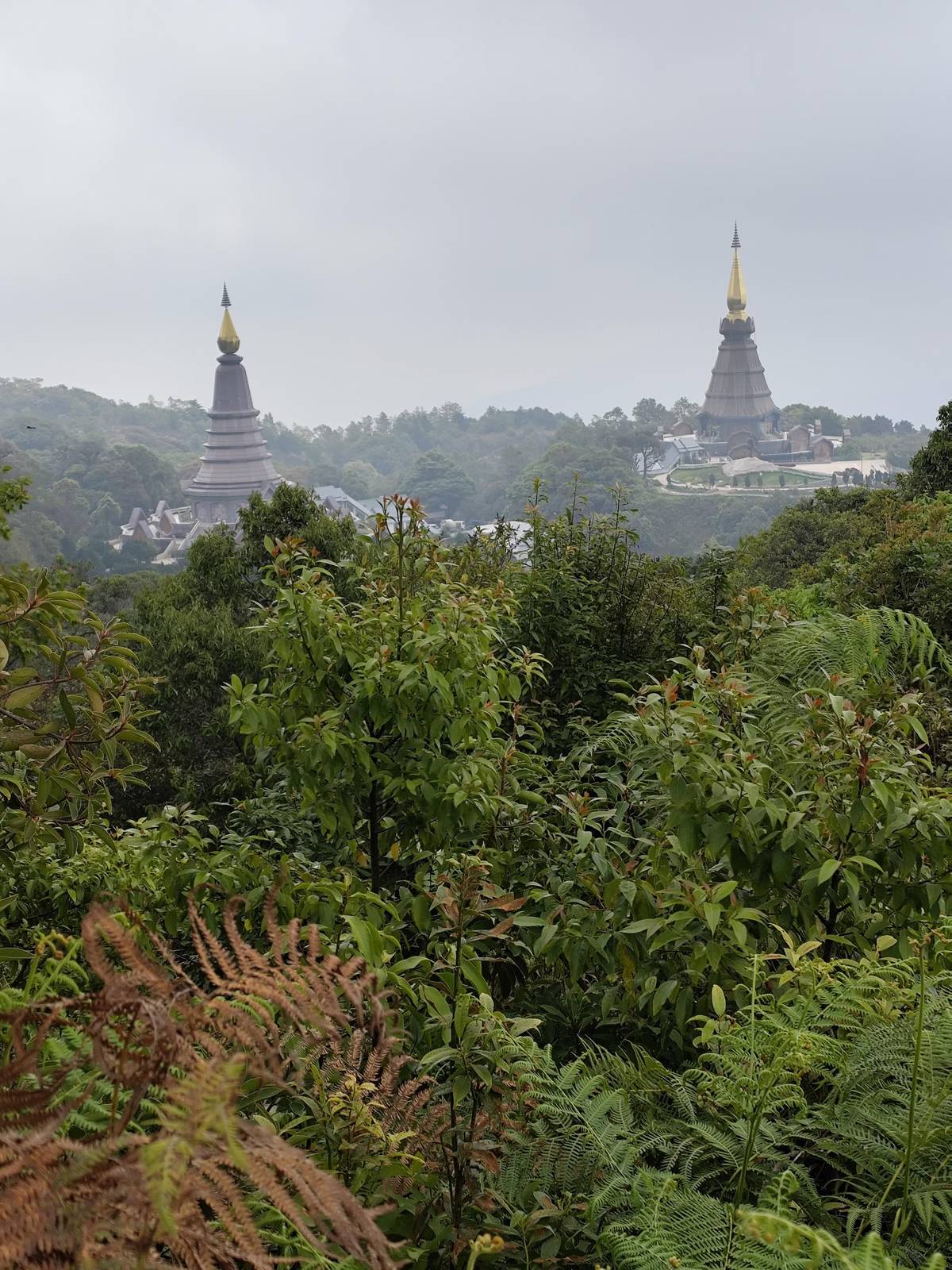
The stupa of King Inthawichayanon stands at the summit, linked to the visitor center by an elevated walkway.67
In Google Maps ↗ - 9Twin pagodas and Kew Mae Pan
The Great Holy Relics Pagodas near the top; TAT lists give the nearby Kio Mae Pan Nature Trail as closed from 1 June to 31 October.8910
In Google Maps ↗ - 11Pha Dok Siew
Pha Dok Siao Waterfall has 10 tiers and lies about 1 kilometer on foot from the park headquarters.1112
In Google Maps ↗ - 12Mae Klang Luang
Ban Mae Klang Luang, a hill tribe village on several Doi Inthanon day trips.
In Google Maps ↗ - 13Siriphum Waterfall
Twin falls reached on foot through the flower plots of the Inthanon Royal Project.13
In Google Maps ↗ - 14Wachirathan Waterfall
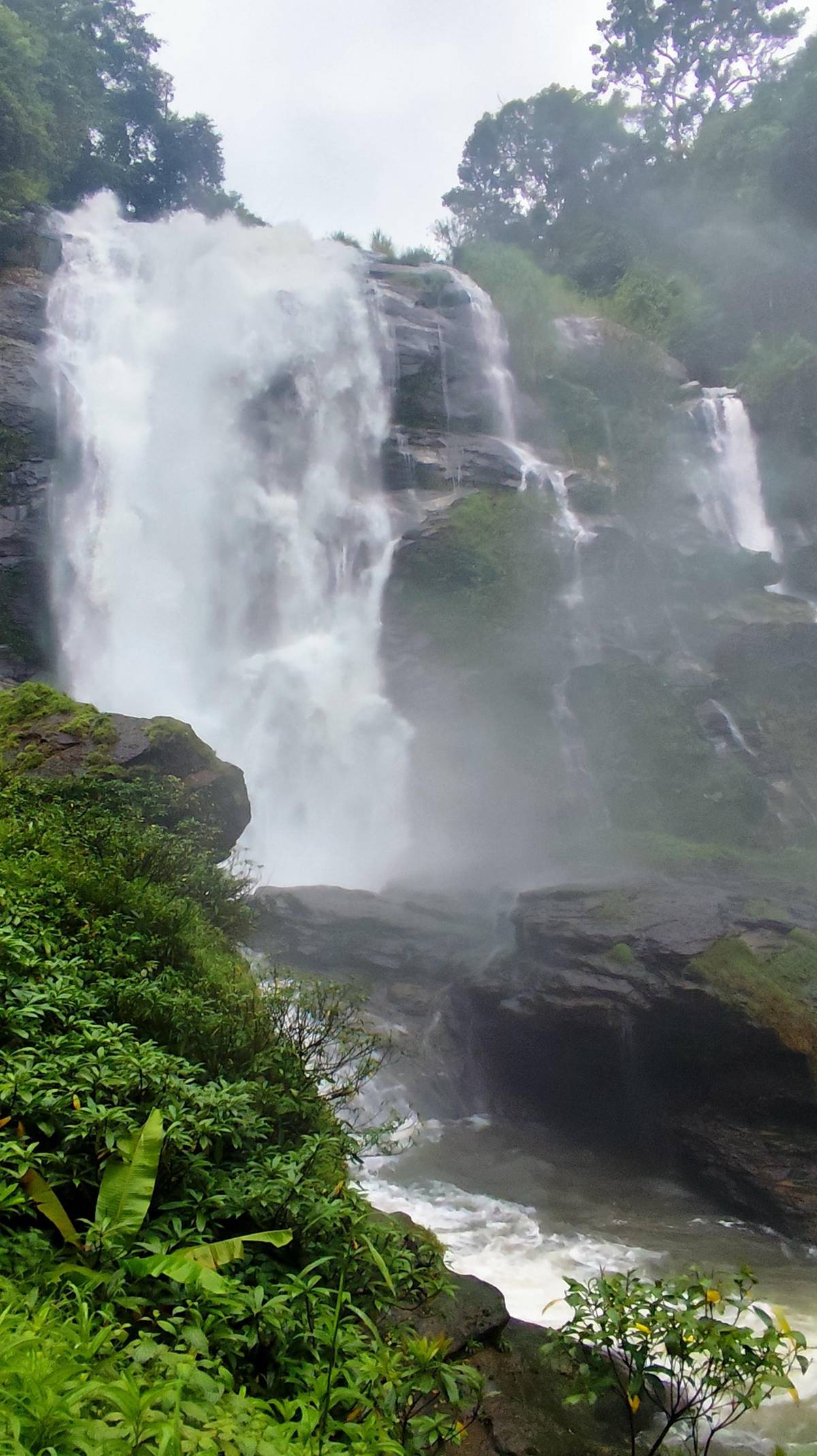
About 70 to 80 meters high, at milestone 20 of Highway 1009.1415
In Google Maps ↗ - 15Mae Klang Waterfall
Flows all year into large pools; rainy-season currents make swimming perilous.16
In Google Maps ↗ - 16Mae Ya Waterfall
Thirty tiers and approximately 260 meters in height.17
In Google Maps ↗ - 17Mae Pan Waterfall
Four tiers and over 100 meters tall, about 400 meters on foot from the ranger station.18
In Google Maps ↗
Packing list
What goes in the daypack
01
On the trail
- Hiking shoes and long pants
- Sun hat, sunglasses and sunscreen
- Rain gear in the wet months
- Your own drinking water
02
For the night
- A jacket for cold evenings
- Toiletries and insect repellent
- Swimwear, towel and dry clothes
- Flip-flops for the village
Cost calculator
What the trek costs for your group
How many are trekking, and which trek? The total follows.
People
Total from$192
each from $96
Check availabilityfree cancellationStarting prices come from GetYourGuide, converted with European Central Bank rates; booking reveals the exact figure.
Video
Hiking to a Karen village and rafting back down the river
The video loads only when you tap play.
Hill tribe trekking in Chiang Mai, with respect
Hill tribe trekking in Chiang Mai means walking to and sleeping in villages of peoples who have their own languages and traditions. A genetic study of Thailand's hill tribes notes that the term describes populations who traditionally practise slash-and-burn farming and live in the mountains.1 The same study sampled five of them, the Akha, Hmong, Karen, Lahu and Lisu, and notes that their languages are not mutually intelligible.1920
The village on the trek this site recommends is Karen. You will also see Karen words in the landscape itself: the national park service explains that Ang Ka, an old name for Doi Inthanon, comes from the Karen language and means big.21 Some treks are run by Karen families on their own land, and their listings ask you to dress modestly in villages and always ask before photographing people.
Treat a village night as a stay in someone's home. Greet people, accept what is cooked, keep music and torches low at night, and buy anything offered for sale at the asking price rather than haggling hard. Do not hand out sweets to children. If your guide is from the village, ask him about the crops on the slopes and the rhythm of the year; most of what makes the stay memorable comes from those conversations.
Health and what to pack
Rural northern Thailand has a few health points worth raising with a doctor before an overnight trek. The CDC suggests considering vaccination against Japanese encephalitis for shorter trips that include rural areas, hiking, camping or nights without screens or bed nets.22 It lists malaria transmission mainly in provinces bordering Burma, Cambodia and Malaysia, especially in forest areas, with rare to few cases in Chiang Mai city.23
Ask your doctor whether your route needs any malaria medicine, as the CDC advises.24 The CDC also warns that leptospirosis risk is higher after floods or heavy rain, which is worth knowing on treks that wade streams in the wet months.25 Insect repellent and long trousers in the evening cover most of the everyday risk.
For the 2-day trek, the listing's own packing list is a good base: hiking shoes, long pants and shorts, clothes that can get dirty, swimwear, a change of clothes, a towel, flip-flops, rain gear, a jacket, a sun hat, sunglasses, sunscreen, insect repellent, toiletries and a daypack. Keep it light. Everything you bring, you carry up and down the hills.
Who should not book an overnight trek
Be honest about fitness before you book. The 2-day trek lists itself as unsuitable for people with a low level of fitness, heart or breathing problems, vertigo or epilepsy, for pregnant women and wheelchair users, and for children under 2. Its listing asks guests to be ready for a physical tour. Expect real climbs on forest paths, not a stroll to a waterfall, and pace yourself on the first morning.
Weather is the other variable. The trek this site recommends warns that the itinerary can change in bad weather. In the rainy months paths turn muddy and rivers run high; in the cool months the nights in a hut can be cold enough that the jacket on the packing list earns its place. Our page on the Doi Inthanon weather explains the seasons the park service describes for the mountains.
Finally, think about what you want from the elephants on a combined trek. The 2-day trek's sanctuary stop includes feeding and bathing the elephants, and riding is not allowed. If you would rather only watch elephants, a camp trip with an observation add-on, such as the Mae Taeng base camp, may suit you better.
Your trek
Two days, one village night, one raft.
All meals, a group of 12 at most, and free cancellation until 24 hours before.


You ask,we answer.
How many hours a day do overnight treks walk?
Roughly 3 to 7 hours. Listings range from 3 to 4 hours on a first day to 5 to 7 hours a day on a 3-day trek.
Where do you sleep on a 2-day trek?
In a hill tribe village or cottage. The 2-day trek this site recommends sleeps in a Karen hill tribe village in basic accommodation.
Is there electricity in the villages?
Often not. The 3-day Karen trek says its camps have no electricity, no internet and limited signal.
Are meals included on the treks?
On the 2-day trek, yes. It includes 2 lunches, 1 dinner and 1 breakfast; drinking water is not included.
Are nights cold in the hills?
From November to February they can be. One 2-day trek warns that nights in that period can be quite cold.
Can children join an overnight trek?
Not under 2. The 2-day trek lists itself as not suitable for children under 2.
Sources
What this text is based on
- 1Listman et al., American Journal of Physical Anthropology (2011), via PubMed CentralSoutheast Asian origins of five Hill Tribe populations↩
- 2Tourism Authority of Thailand (TAT Newsroom)Exploring Chiang Mai's many natural and man-made wonders (May 2021)↩
- 3Department of National Parks, Wildlife and Plant Conservation (DNP), ThailandDoi Inthanon National Park↩
- 4Department of National Parks, Wildlife and Plant Conservation (DNP), ThailandDoi Inthanon National Park↩
- 5Tourism Authority of Thailand (TAT Newsroom)Thailand reaffirms its commitment to promoting responsible tourism (February 2016)↩
- 6Department of National Parks, Wildlife and Plant Conservation (DNP), ThailandDoi Inthanon Summit - Doi Inthanon National Park↩
- 7Department of National Parks, Wildlife and Plant Conservation (DNP), ThailandDoi Inthanon Summit - Doi Inthanon National Park↩
- 8Tourism Authority of Thailand (TAT Newsroom)TAT advises tourists to Northern Thailand to take precautions amid air quality concerns (25 March 2019)↩
- 9Tourism Authority of Thailand (TAT Newsroom)Opening/closed status of Thailand's national parks (July 2023)↩
- 10Tourism Authority of Thailand (TAT Newsroom)Thailand's national park system starts annual seasonal closure of attractions (April 2018)↩
- 11Department of National Parks, Wildlife and Plant Conservation (DNP), ThailandPha Dok Siao Waterfall - Doi Inthanon National Park↩
- 12Department of National Parks, Wildlife and Plant Conservation (DNP), ThailandPha Dok Siao Waterfall - Doi Inthanon National Park↩
- 13Department of National Parks, Wildlife and Plant Conservation (DNP), ThailandSiriphum Waterfall - Doi Inthanon National Park↩
- 14Department of National Parks, Wildlife and Plant Conservation (DNP), ThailandWachirathan Waterfall - Doi Inthanon National Park↩
- 15Department of National Parks, Wildlife and Plant Conservation (DNP), ThailandWachirathan Waterfall - Doi Inthanon National Park↩
- 16Department of National Parks, Wildlife and Plant Conservation (DNP), ThailandMae Klang Waterfall - Doi Inthanon National Park↩
- 17Department of National Parks, Wildlife and Plant Conservation (DNP), ThailandMae Ya Waterfall - Doi Inthanon National Park↩
- 18Department of National Parks, Wildlife and Plant Conservation (DNP), ThailandMae Pan Waterfall - Doi Inthanon National Park↩
- 19Listman et al., American Journal of Physical Anthropology (2011), via PubMed CentralSoutheast Asian origins of five Hill Tribe populations↩
- 20Listman et al., American Journal of Physical Anthropology (2011), via PubMed CentralSoutheast Asian origins of five Hill Tribe populations↩
- 21Department of National Parks, Wildlife and Plant Conservation (DNP), ThailandDoi Inthanon National Park↩
- 22US Centers for Disease Control and Prevention (CDC)Thailand: Traveler view (Travelers' Health)↩
- 23US Centers for Disease Control and Prevention (CDC)Thailand: Traveler view (Travelers' Health)↩
- 24US Centers for Disease Control and Prevention (CDC)Thailand: Traveler view (Travelers' Health)↩
- 25US Centers for Disease Control and Prevention (CDC)Thailand: Traveler view (Travelers' Health)↩