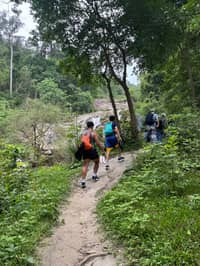
 Clearest views
Winter
December to February
- Mountain
- 15 to 17 °C mid-park
- Coldest
- 0 to 4 °C
- Ridge trail
- Open
Guides
Language
EnglishCurrency
US dollar · $Your currency applies on GetYourGuide too.
Guide · Weather
The Doi Inthanon temperature can sit near freezing at dawn while Chiang Mai bakes below. Here is what the park service says about the mountain and how the seasons play out.
Editorial team, trekkingtourchiangmai.comUpdated October 27, 2026Read time: 6 min18 sources
Quick answer, the weather
The monthly table and chart further down use the Chiang Mai station's normals from the World Meteorological Organization, the nearest long record with full temperatures. That station sits in the city, far below the park, which climbs from 400 to 2,565 meters.5 Read the city numbers as the warm floor of your day, not as what you will feel at the summit.
The park service's own description shows how big the gap is. It gives a tropical climate below 1,000 meters, a subtropical one from 1,000 to 2,000 meters and a temperate climate above 2,000 meters.6 In the central part of the park the average temperature is around 20 degrees Celsius through the year.2 In Chiang Mai, even January's average daily high is 30 °C.7
Rain shows the same split. Chiang Mai city receives 1,139.2 mm of rain in a normal year, while the park service gives the mountain 2,000 to 2,100 millimeters.83 Above 1,800 meters, low clouds keep the forest foggy for most of the year.9 Expect the mountain to be cooler, wetter and cloudier than any city forecast suggests.
The year on the mountain
December to February
Cold, dry, frost possible; cherry blossom in January and February.10111
March to May
Hot in the valleys; watch for haze and check air quality.1012
1 June
Kew Mae Pan and Lan Sadet close for the season.4
June to November
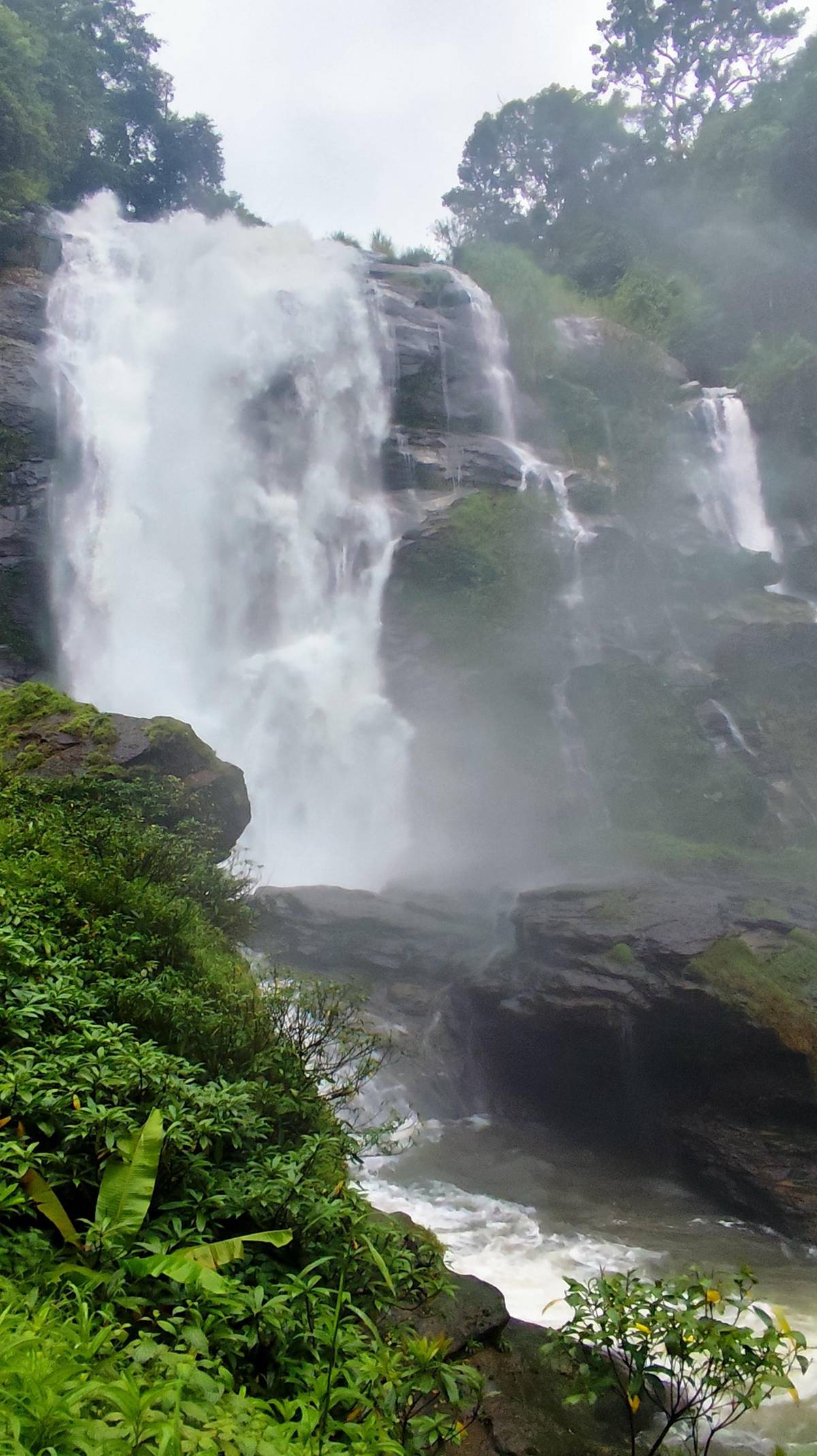
The southwest monsoon, full waterfalls, muddy trails.10
After 31 October
Kew Mae Pan's closure ends with October.4
The park service describes winter on the mountain as December to February, when the northeast monsoon brings cold, dry air.10 In the central part of the park the average temperature drops to 15 to 17 degrees Celsius in December and January.2 On frosty days in those months it can fall to 0 to 4 degrees, enough for frost to form.1
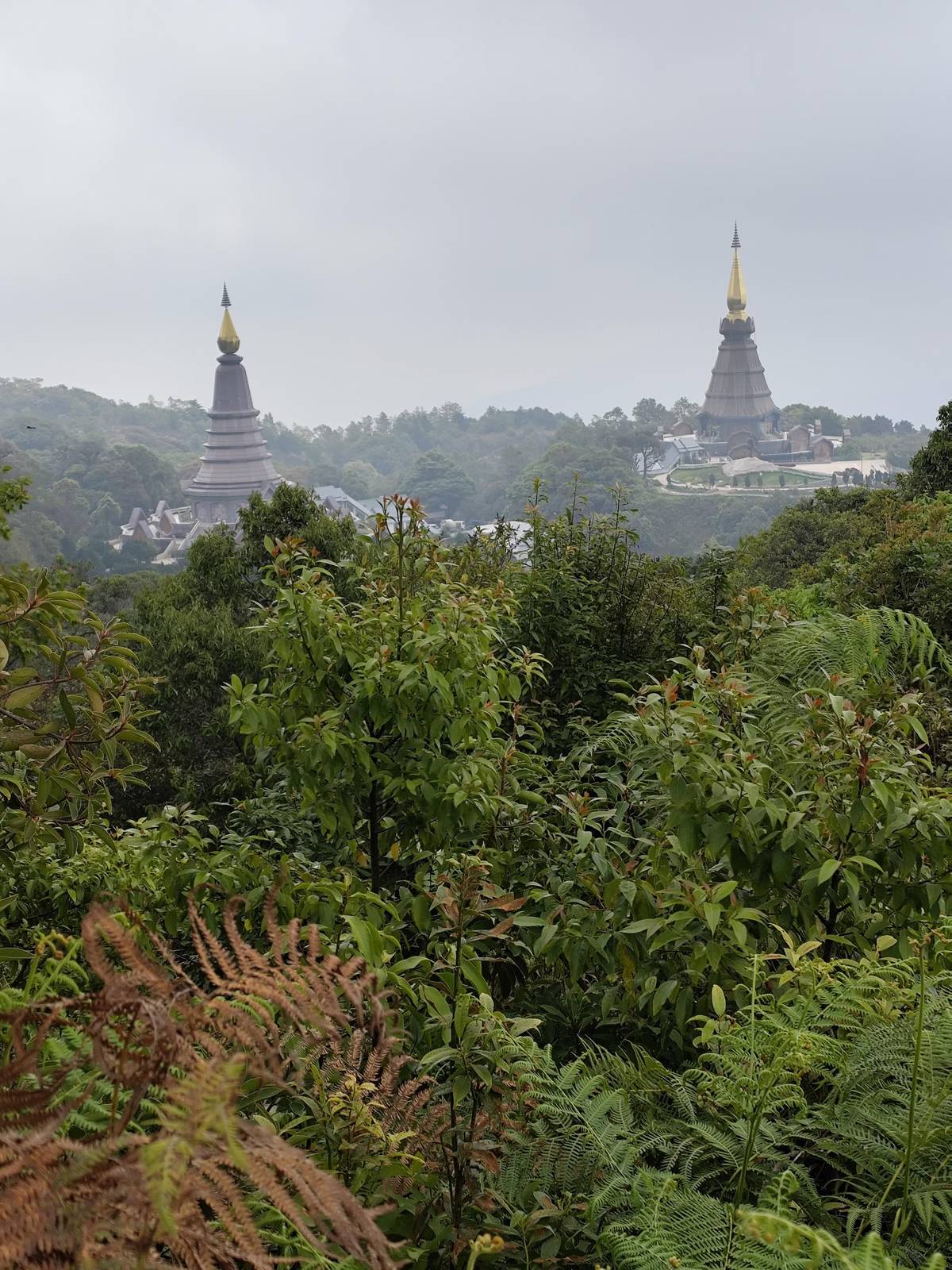
At the summit it is harsher still: the park service describes strong wind and very cold weather, with 0 to 4 degrees Celsius on the coldest days.13 Down in Chiang Mai, December's average daily low is 16.9 °C and its high 29.2 °C, with only about 1 day of rain.7 Clear, dry days are the reward, and the cooler months bring the morning sea of mist that TAT names at the summit and the Kiew Mae Pan Viewpoint.14
TAT also lists Thai cherry blossoms at Doi Inthanon in January and February.11 This is the classic best time to visit Doi Inthanon: dry trails, clear views and the ridge trail open. The price is the cold, and busier roads and viewpoints.
Month by month
Month by month
| Month | Daylight (h) | Darkness (h) | High / low | Wet days | On Doi Inthanon |
|---|---|---|---|---|---|
| Jan | 11.1 | 12.9 | 30 / 16 °C | 1 | Winter |
| Feb | 11.5 | 12.5 | 33 / 17 °C | 1 | Winter |
| Mar | 12 | 12 | 35 / 20 °C | 2 | Summer |
| Apr | 12.6 | 11.4 | 37 / 23 °C | 5 | Summer |
| May | 13 | 11 | 35 / 24 °C | 12 | Summer |
| Jun | 13.3 | 10.7 | 33 / 25 °C | 12 | Rainy season |
| Jul | 13.2 | 10.8 | 32 / 24 °C | 14 | Rainy season |
| Aug | 12.8 | 11.2 | 32 / 24 °C | 17 | Rainy season |
| Sep | 12.3 | 11.7 | 32 / 24 °C | 15 | Rainy season |
| Oct | 11.7 | 12.3 | 32 / 23 °C | 9 | Rainy season |
| Nov | 11.3 | 12.7 | 31 / 20 °C | 3 | Rainy season |
| Dec | 11 | 13 | 29 / 17 °C | 1 | Winter |
The mean highs and lows, and how many days bring 1 mm of rain or more, are WMO normals for the city station of Chiang Mai, 1991 to 2020, far below the mountain; we work out the mid-month day length ourselves.7 Season according to Department of National Parks, Thailand.10
Three seasons
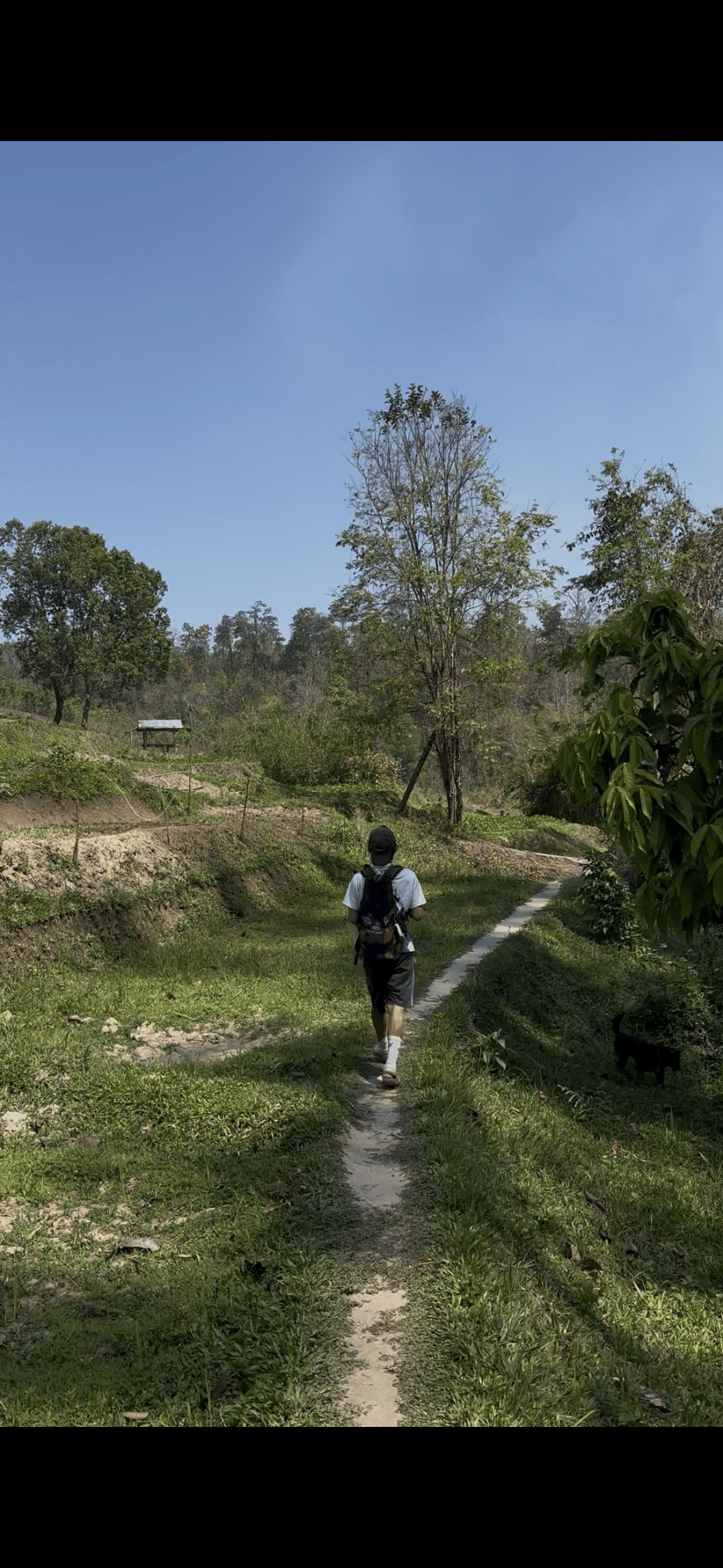
Clearest viewsDecember to February
 Hot and hazy
 Fullest falls
June to November
Decision helper
Start from what you most want to see or do.
At elevations of 1,800 meters and higher, a cool, wet climate prevails. This is because the low clouds cause the forest to be clouded and foggy for the majority of the year.
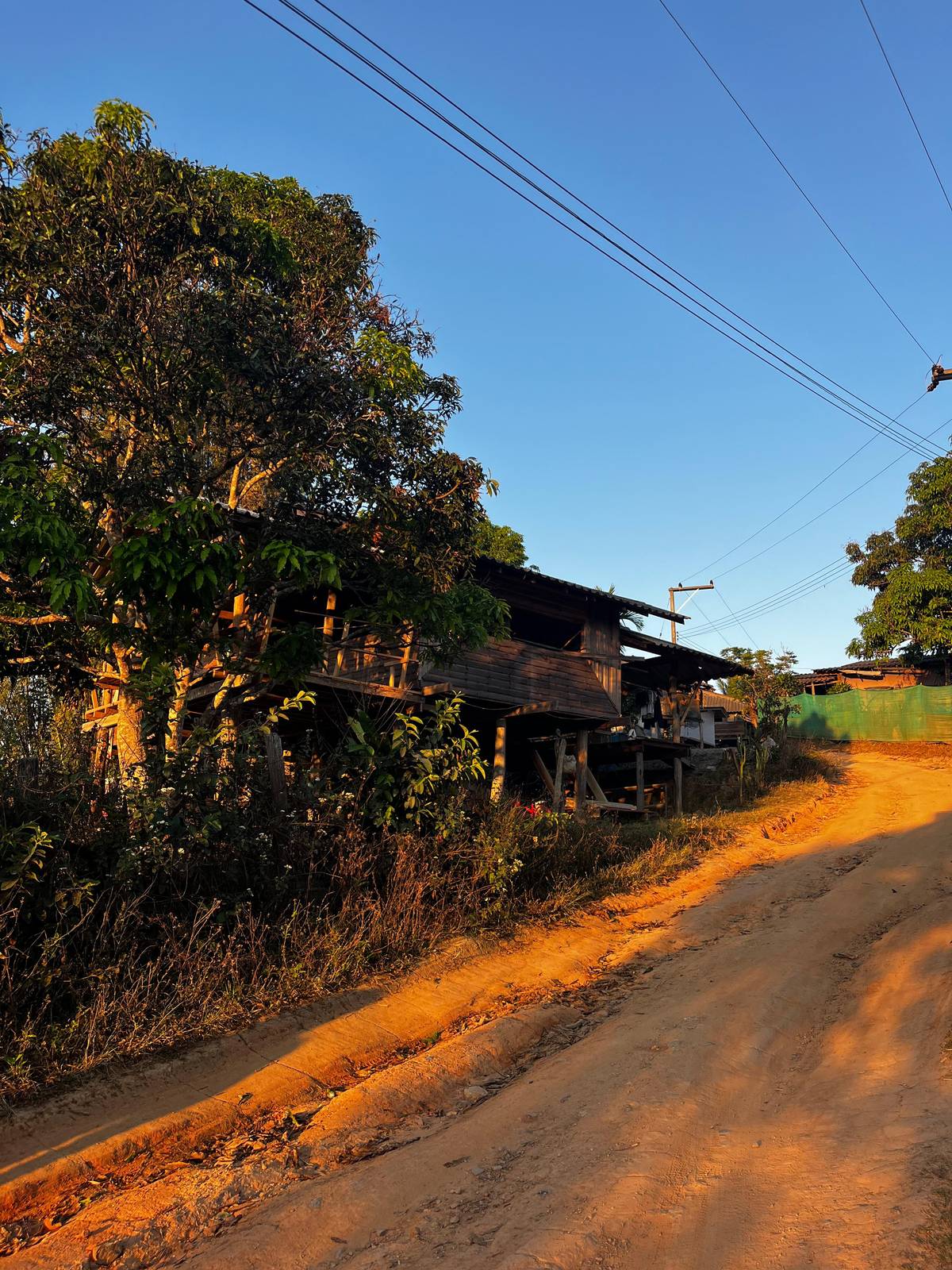
The park service calls March to May summer.10 In Chiang Mai this is the hottest stretch, with April's average daily high at 36.7 °C.7 On the mountain the heat is softer, and the upper slopes stay cooler than the valleys, but the views can suffer.
Haze is the main concern in these months. TAT has advised visitors to northern Thailand to watch air quality index reports and, during haze, to wear an N95-rated mask outdoors; it says the haze is blamed mostly on forest fires, open scrub burning and vehicle emissions.1216 One high mountain day trek warns that air quality may be low from haze in the hot season.
If you travel in these months, check the air quality before each hike, carry a mask and choose shaded forest trails over open ridges on bad days. Kew Mae Pan is still open until the end of May, the last weeks before its seasonal closure.4 By May the rains are returning to Chiang Mai, with about 12 rainy days in the month.7
Checklist
Cost calculator
Choose a Doi Inthanon day and party size for a total.
Total from$77
each from $39
Check availabilityfree cancellationStarting prices come from GetYourGuide, converted with European Central Bank rates; booking reveals the exact figure.
Video
The video loads only when you tap play.
From June to November the southwest monsoon brings moisture and rain clouds, in the park service's description.10 In Chiang Mai, August is the wettest month, with 223 mm of rain on about 17 days.7 On the mountain, with roughly double the city's annual rain, the trails turn muddy and the cloud can sit low for days.38
Two things change for walkers. Kew Mae Pan and Lan Sadet Waterfall are closed from 1 June to 31 October in TAT's lists of seasonal closures.4 And trail waterfalls can close at short notice: in August 2019 the park shut the Pha Dok Siew trail and waterfalls temporarily for safety, reopening once the water level returned to normal.15
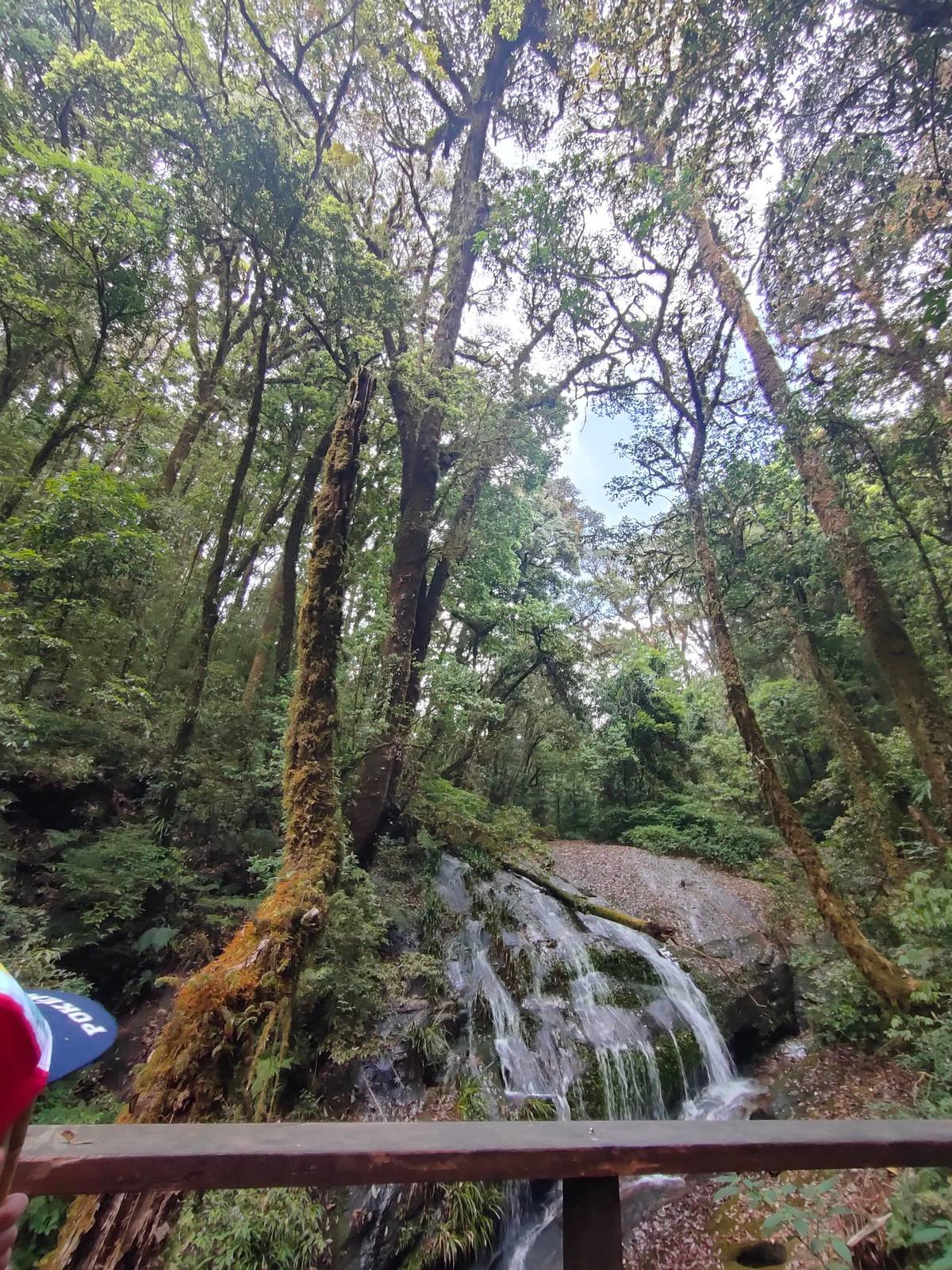
The rains have their own rewards. The waterfalls are at full volume, the rice terraces turn bright green and there are fewer visitors on the roads. The CDC warns that leptospirosis risk is higher after floods or heavy rainfall, so avoid wading in floodwater and cover cuts.17 Bring a rain shell and shoes you do not mind soaking.
There is no single right answer, but the trade-offs are clear. If you want the ridge trail, open views and the sea of mist, come in the cool, dry months from November to February, and accept the cold and the crowds.144 Kew Mae Pan reopens after the closure that runs to 31 October in TAT's lists.4
If waterfalls are your priority, the end of the rainy season gives full falls and fewer people; the Pha Dok Siew trail is the one guided days use while Kew Mae Pan is closed. If you can only come in March or April, plan around the haze, start early and check air quality each morning.12
Whatever the month, time of day matters as much as the season. Mornings are often clearest on the high ground, and cloud tends to build over the summit as the day goes on. Leave Chiang Mai early, go to the top first, and work down the mountain as the day warms.
A city forecast tells you little about the summit, so read it as a starting point and adjust. If Chiang Mai expects a warm, clear day, the high ground will still be several layers cooler, and fog can hide the views even when the valley is sunny. The park service describes the area above 1,800 meters as cool, wet and foggy for most of the year.9
Rain in the city forecast usually means a wetter day on the mountain, which receives far more rain than Chiang Mai in a normal year.38 In the rainy months, watch for heavy downpours the day before a trail walk; the park has closed waterfall trails when the water rose.15
Two quick checks before you leave save most disappointments: the air quality index in the hot season, and the status of the trail you want in the rainy season. If either looks bad, switch to a sheltered plan, such as the summit boardwalk and the falls along the road, and keep the ridge walk for another day.
Dress in layers. Start with a T-shirt for the valley, carry a fleece or light down jacket for the summit and a rain shell for the cloud forest; above 2,000 meters the park service describes a temperate climate, and the upper highlands are wet and cold all year.618 In December and January add a warm hat and gloves for a sunrise visit.
Footwear matters for the boardwalks and trails. Closed shoes with grip handle wet wood and rock far better than sandals, and the twin pagodas have a dress code that one listing describes as casual or better, with no flip-flops and no tank tops. Bring sleeves and trousers or a skirt to the knee for the temples.
Tour listings say the same thing in their own words. One trail day warns that temperatures drop at higher altitudes and recommends a light jacket or long sleeves. An elephant and Doi Inthanon day asks guests to bring a warm jacket or sweater for the mountain. Pack sunscreen too: the sun is strong when the cloud breaks.
Your trek
All meals, a group of 12 at most, and free cancellation until 24 hours before.
Near freezing in winter. On frosty days in December and January the temperature can fall to 0 to 4 degrees Celsius.1
Around 20 °C in mid-park. The park service gives around 20 °C through the year in the central part, and 15 to 17 °C in December and January.2
November to February for views. Those cool, dry months bring the sea of mist, and Kew Mae Pan reopens after its closure to 31 October.144
June to November. The park service describes a rainy season from June to November under the southwest monsoon.10
No. TAT's lists of seasonal closures give Kio Mae Pan as closed from 1 June to 31 October.4
It can be bad. TAT advises checking air quality reports and wearing an N95-rated mask outdoors during haze.1216
Layers and closed shoes. Bring a warm jacket, a rain shell and shoes that grip; above 2,000 meters the climate is temperate.6
Sources